
Ash Wednesday Is Tomorrow. For the Seafood Industry, That Matters.
Every year, it happens quietly — and predictably.
Ash Wednesday marks the beginning of Lent, a 40-day observance for millions of Christians worldwide. And with it comes one of the most reliable seasonal demand shifts in foodservice.
Meat consumption drops.
Fish demand rises.
For the seafood industry, this is not a religious sidebar. It’s a commercial reality.
And the companies that prepare for it win.
Lent Is a 40-Day Seafood Opportunity
On Ash Wednesday and every Friday through Lent, observant Christians abstain from meat. Seafood becomes the protein of choice.
That translates into:
- Increased restaurant seafood orders
- Higher distributor volume
- Expanded retail fish promotions
- Elevated demand for whitefish and value-added products
This isn’t speculation. It’s a pattern.
From neighborhood diners to national chains, seafood features dominate menus during Lent. And while the tradition is centuries old, the business implications are thoroughly modern.
Restaurants: This Is Not Just About Fish Fridays
The operators who succeed during Lent treat it as a strategy, not a checkbox.
They plan.
They forecast.
They secure supply early.
They don’t scramble for product when Friday hits.
They leverage:
- Premium but accessible whitefish
- Creative global seafood dishes
- Portion-controlled frozen fillets
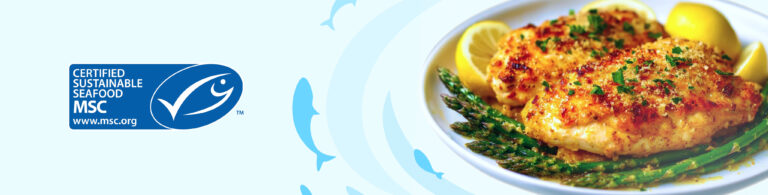
- Sustainable sourcing stories that resonate with today’s consumers
Because today’s diner isn’t just avoiding meat. They’re evaluating quality.
If the fish is dry, inconsistent, or unavailable — they remember.
If it’s exceptional — they come back.
Frozen Seafood: The Competitive Advantage
Here’s the reality: Lenten demand creates volume pressure. Fresh supply tightens. Prices move.
That’s where high-quality frozen seafood separates disciplined operators from reactive ones.
When properly processed and flash frozen at peak freshness, seafood:
- Preserves flavor and texture
- Minimizes waste
- Stabilizes inventory
- Protects margins
- Ensures consistency across every plate
There’s nothing “second tier” about modern frozen seafood. In fact, during high-demand seasons, it is often the smartest operational decision on the table.
Predictability is power.
The Species That Drive the Season
Certain products consistently lead during Lent:
- Cod
- Haddock
- Pollock
- Hake
- Tilapia
- Shrimp
- Breaded and battered portions
- IQF fillets for portion control
Whitefish remains the backbone. Mild. Versatile. Scalable.
It adapts to fish tacos, Mediterranean platters, classic fish and chips, upscale seafood entrées — and everything in between.
For distributors, inventory depth in these categories is not optional this time of year.
It’s essential.
The Sustainability Layer — And Why It Matters More Now
There’s another shift happening alongside tradition.
Consumers are asking harder questions.
Where was this fish sourced?
Is it responsibly harvested?
Is the supply chain traceable?
Lent is rooted in reflection and responsibility. That mindset aligns naturally with sustainable seafood practices.
Companies that can confidently speak to sourcing, stewardship, and ecosystem protection aren’t just filling orders.
They’re building trust.
This Is a Leadership Moment for the Industry
For distributors:
- Communicate early.
- Secure supply.
- Support restaurant partners with forecasting insights.
For restaurant operators:
- Promote seafood strategically.
- Train staff to speak confidently about quality and sourcing.
- Turn Lenten guests into year-round seafood customers.
For suppliers:
- Deliver consistency.
- Protect margins.
- Anticipate volume.
Because this is not just a seasonal spike.
It is a moment when seafood takes center stage in American dining culture.
At Southstream Seafoods, We See the Bigger Picture
Lent reminds us of something simple:
When consumers shift toward fish, the entire seafood supply chain must be ready.
From vessel to processor to distributor to plate — execution matters.
Ash Wednesday begins tomorrow.
Menus are already set. Orders are already placed. Demand is already building.
The question for the industry isn’t whether seafood will lead this season.
It’s whether you’re positioned to lead with it.
Because for the next 40 days, fish isn’t just tradition.
It’s business.
And in this industry, business favors those who prepare.