
Why Sustainable Certification Matters More to Buyers Than Ever
Seafood buyers are under constant pressure to prove their sourcing decisions hold up, and new data shows the market is rewarding those who can. A recent Food Tank op-ed, by Marine Stewardship Council U.S. Program Director Laura McDearis, lays out findings from two major reports: the U.N. Food and Agriculture Organization’s 2026 State of World Fisheries and Aquaculture (SOFIA) report, and a new MSC/GlobeScan survey of more than 20,500 seafood consumers across 23 countries.
The Numbers Tell A Clear Story
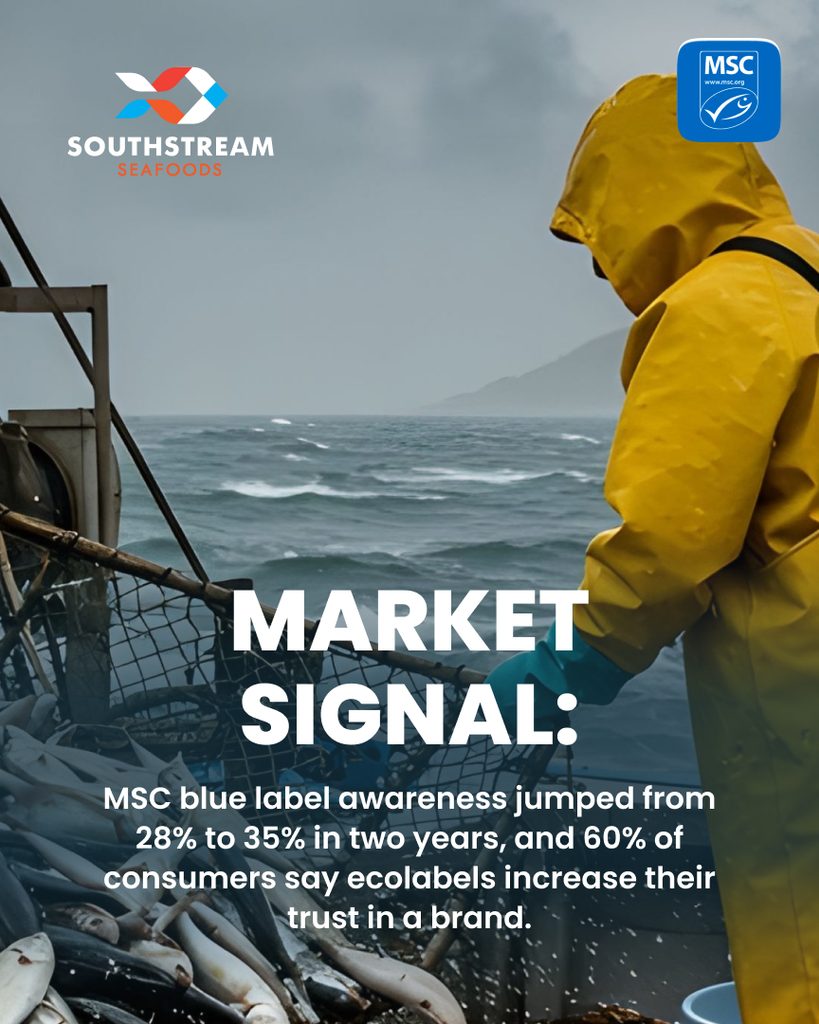
Awareness of the MSC blue fish label rose from 28 percent to 35 percent between 2024 and 2026. Consumer recognition of ecolabeled products broadly climbed from 28 percent to 40 percent over the same period. And 60 percent of seafood consumers say ecolabels increase their trust in the brands that carry them.
For distributors and foodservice buyers, this isn’t just a consumer sentiment shift. It’s a market signal. Sustainably sourced seafood continues to rank among the top purchase considerations, following only quality, health, and price. Independent, third-party certification is doing real work to help buyers and their customers navigate an increasingly crowded seafood aisle with confidence.
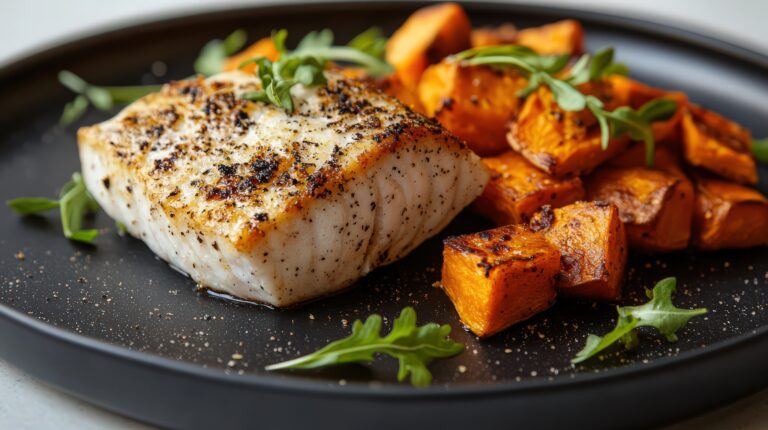
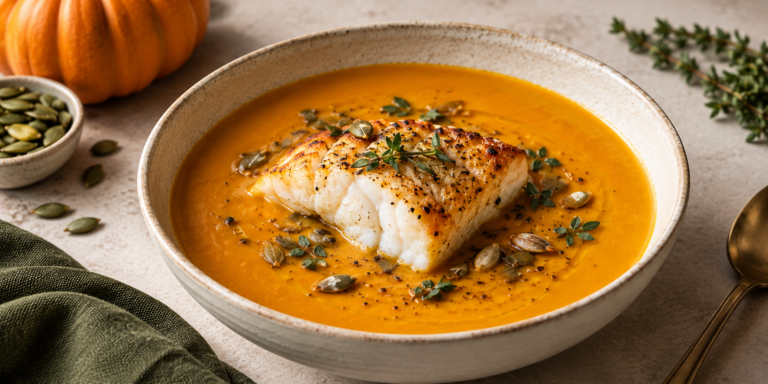
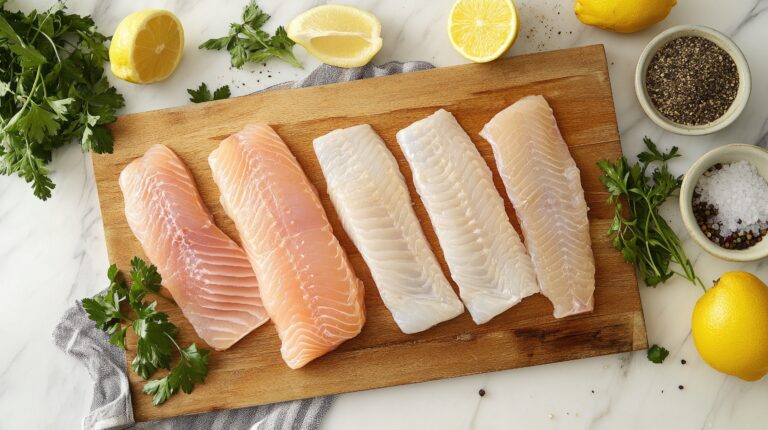
Southstream Seafoods has built its business around this standard. Our MSC-certified lines include I&J Cape Hake (FAO 47), Thorfish Pollock/Saithe (FAO 27), and Ling (FAO 81, sourced from New Zealand) — each independently verified against MSC’s chain-of-custody and sustainability requirements. As certification awareness and buyer trust continue to climb, that verification becomes a stronger differentiator, not a checkbox.
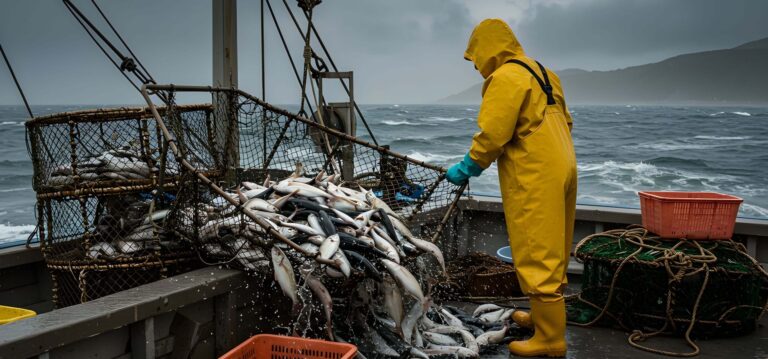
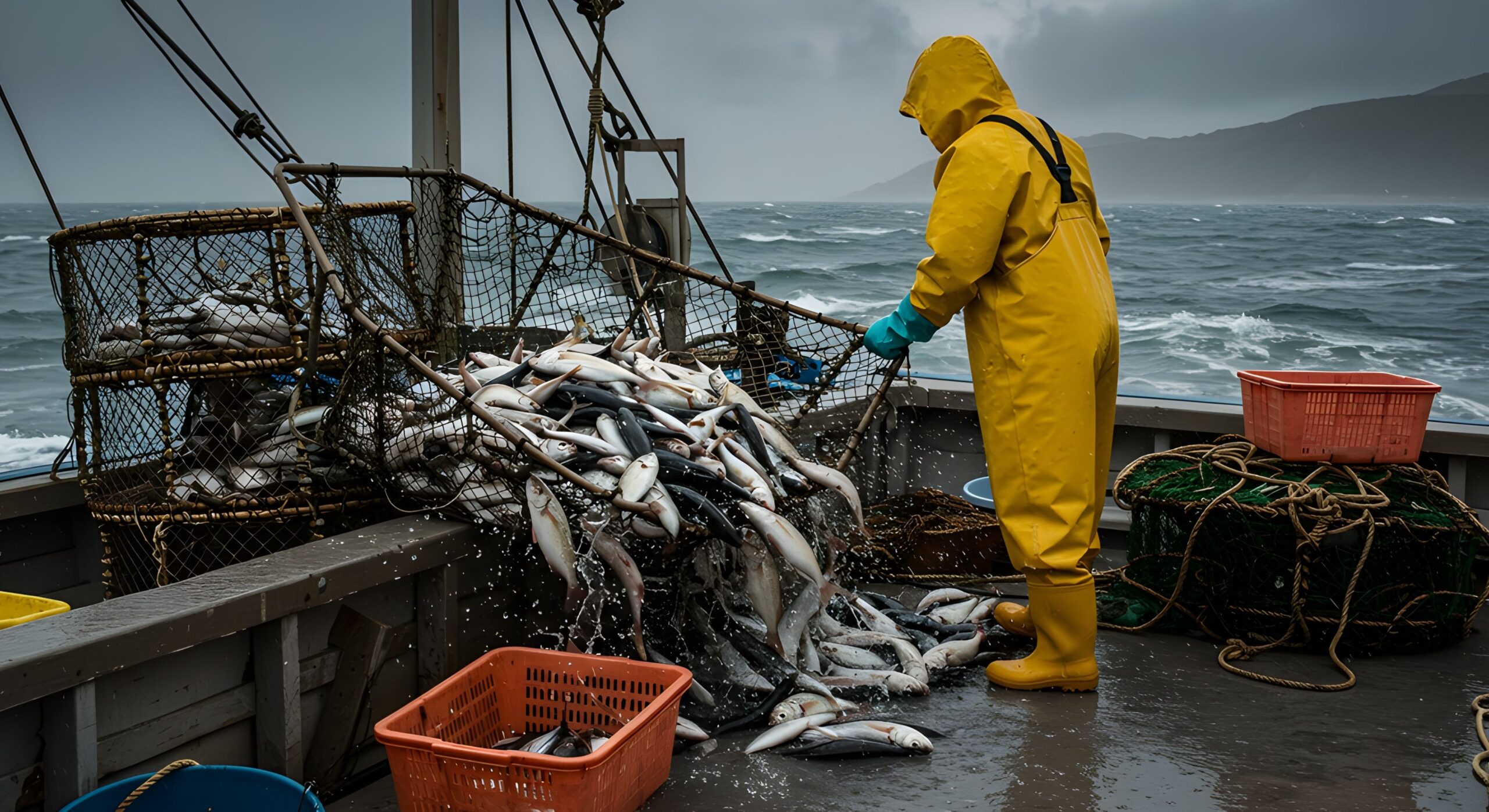
The SOFIA report is direct about the scale of the challenge: the global share of fish stocks classified as biologically sustainable declined slightly to 62.4 percent, and overfishing remains a serious global issue in many regions. But the same report points to what works — science-based catch limits, strong monitoring programs, and collaboration among fishers, scientists, and regulators can and do rebuild depleted fisheries.
That’s the case for certification in one sentence: it’s the mechanism that turns sustainable fisheries management into something a buyer three steps removed from the water can actually verify and trust.
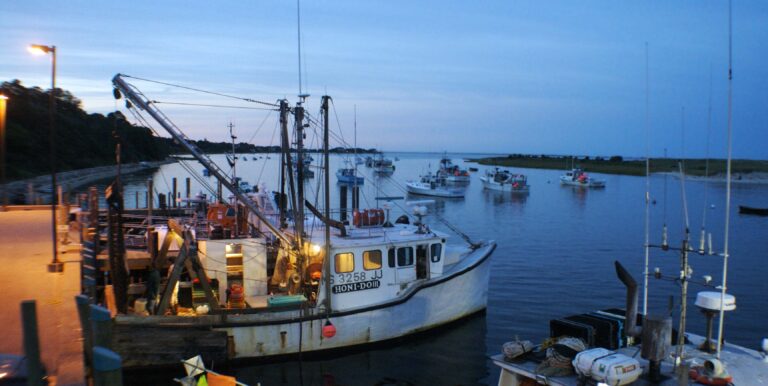
For nearly four decades, Southstream has sourced with that verification built in. As the market’s demand for provable sustainability grows, so does the value of the lines that were already built to meet it. Want to talk about what that means for your program? Work with Southstream to see how we can help you brag about the blue label, as we do.
Source: Laura McDearis, “Op-Ed | Blue Foods Already Feed the World: In the U.S., Awareness and Optimism Grow,” Food Tank, 2026.